From AI reliance to clinical readiness: Preparing NP learners for advanced practice
Join NP educators from the University of Nevada, Reno and the University of Cincinnati for a peer-led discussion on using AI-enabled simulation to support clinical readiness without weakening the reasoning skills learners need for advanced practice.
October 14, 2026
2:00 PM ET | 11:00 AM PT
60 minutes
Webinar overview
As AI becomes increasingly embedded in education and clinical practice, NP programs must prepare learners to use these tools effectively without becoming dependent on them. This raises an emerging concern known as “never-skilling,” or the risk that learners may rely on AI before developing the clinical reasoning needed to evaluate, question, and safely apply its output.
In this peer-led panel discussion, NP educators from the University of Nevada, Reno and the University of Cincinnati will share how their programs are thinking about AI-enabled simulation, learner readiness, and the role of DDx by Sketchy in supporting clinical readiness. Moderated by Olivia Livernois, MSN, FNP-BC, the conversation will explore how thoughtfully designed and intentionally integrated AI-enabled simulation can help learners practice reasoning, make patient care decisions, and stay actively engaged as they progress through advanced practice training.
Attendees will leave with practical considerations for using AI-enabled simulation to support clinical readiness while preserving the active thinking NP learners need to develop independently.

What you'll learn

Recognize how early or unstructured AI reliance may affect the development of clinical readiness in NP learners.
Explore how NP programs are using DDx by Sketchy to support simulation-based practice, clinical reasoning, and patient care decision-making.
Apply peer insights to evaluate where AI-enabled simulation may fit within their own NP curriculum, learner support strategy, or clinical readiness approach.

Meet your expert speakers
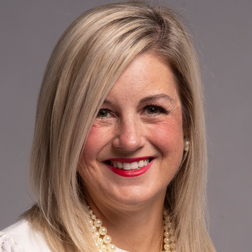
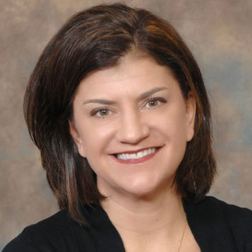
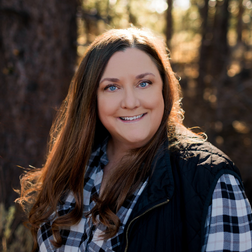
Lindsay Davis, DNP, APRN-CNP, is Assistant Dean for APRN Curriculum and Associate Professor of Clinical Nursing at the University of Cincinnati College of Nursing. She provides leadership for APRN curriculum development, evaluation, accreditation alignment, and continuous quality improvement across advanced practice programs. Dr. Davis maintains clinical practice as an adult nurse practitioner and brings extensive experience in academic and clinical leadership. Her scholarship focuses on innovation in graduate nursing education, interprofessional collaboration, mentorship, and strengthening the advanced practice nursing workforce. She has presented nationally and internationally and published extensively on innovative approaches to nursing education, clinical learning, and advanced practice preparation.
Amy Fathman, DNP, APRN, FNP-BC is an Associate Professor-Clinical at the University of Cincinnati and a Family Nurse Practitioner whose academic work integrates innovative teaching, mentorship, clinical practice, professional service and scholarship. With 25 years of clinical expertise across primary care and multiple specialties, she brings contemporary, evidence-based practice into graduate nursing education. Her work includes advancing diagnostic reasoning through innovative teaching strategies, mentoring students and faculty, securing external funding to support FNP education, and engaging with national and international professional organizations.
Megan Pratt, DNP, APRN, FNP-C, GS-C, is a board-certified Family Nurse Practitioner and Gerontological Specialist serving as Program Director for the Family Nurse Practitioner and Adult-Gerontology Primary Care Nurse Practitioner programs at the University of Nevada, Reno. With nearly 20 years of clinical experience caring for individuals and families in Northern Nevada, her practice focuses on cardiovascular care and risk reduction for first responders. Her clinical and scholarly work centers on the care of older adults, competency-based education, and nurse practitioner workforce development.


Secure your spot today
Join us for this interactive webinar and hear how NP leaders are implementing AI-enabled simulation to support clinical readiness without weakening the reasoning skills learners need for advanced practice.