No items found.
for Nurse Practitioner Programs

Create consistent clinical reasoning across didactic and clinical practicum education

Nursing backgrounds vary widely. Foundational reasoning skills are uneven. Clinical placements differ in quality and patient mix. And building consistent diagnostic reasoning across distributed or online cohorts is increasingly difficult.

DDx helps NP programs deliver consistent, validated clinical reasoning training for every learner all while alleviating faculty or preceptor burden.

Designed by clinicians to support online, hybrid, and in-person cohorts, DDx’s highly engaging platform enables learners to build confidence in a safe and realistic environment while giving faculty actionable insights into learner performance.

Start your free trial

Authentic, high-fidelity clinical simulation

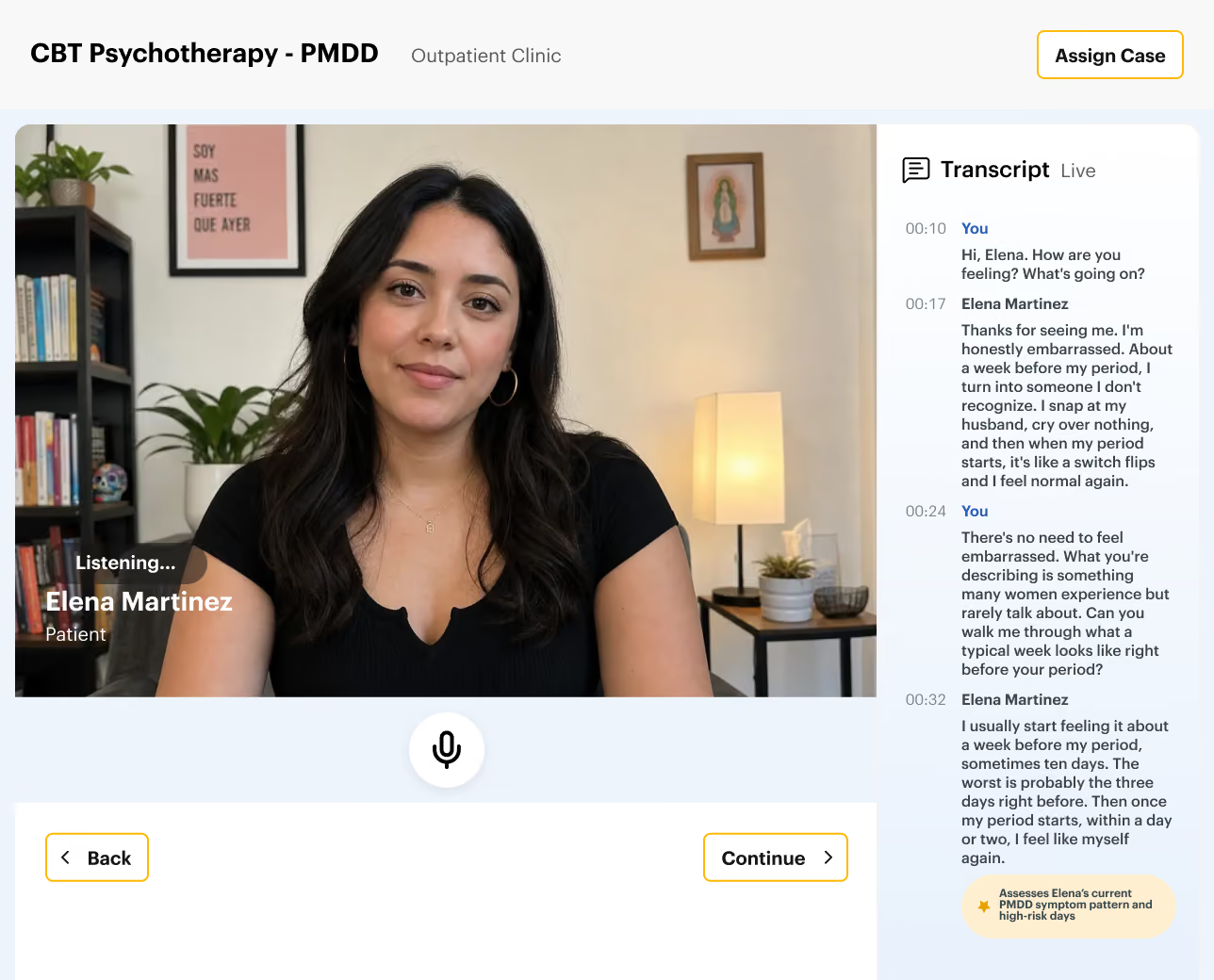
DDx recreates the full arc of an NP patient encounter — assessment, differential diagnosis, diagnostics, management, and patient education — at the appropriate depth for NP scope of practice, immersing learners in multi-role clinical scenarios that reflect real-world practice.

  • Offer deeper clinical realism than traditional digital cases, without the cost and logistics of standardized patients or simulation labs
  • Function as a scalable preceptor extender through high-engagement, asynchronous simulations – ideal for online and hybrid programs
  • Prepare learners for high-stakes assessments (e.g.: OSCEs) and national certification exams with realistic NP-level clinical scenarios

Consistent case exposure across rotations

DDx ensures every learner builds a strong clinical reasoning foundation and encounters the full range of presentations they need — regardless of preceptor bandwidth or site availability.

  • Level-set reasoning skills early with foundational NP-appropriate cases that intentionally build from RN experience and shape RN-level thinking
  • Provide consistent exposure to rare, complex, or specialty-specific cases often missed in real-world clinical placements
  • Scaffold from core didactic concepts to track-specific complexity (FNP, AGACNP, PMHNP, PNP, WHNP)

Validated, competency-based assessment

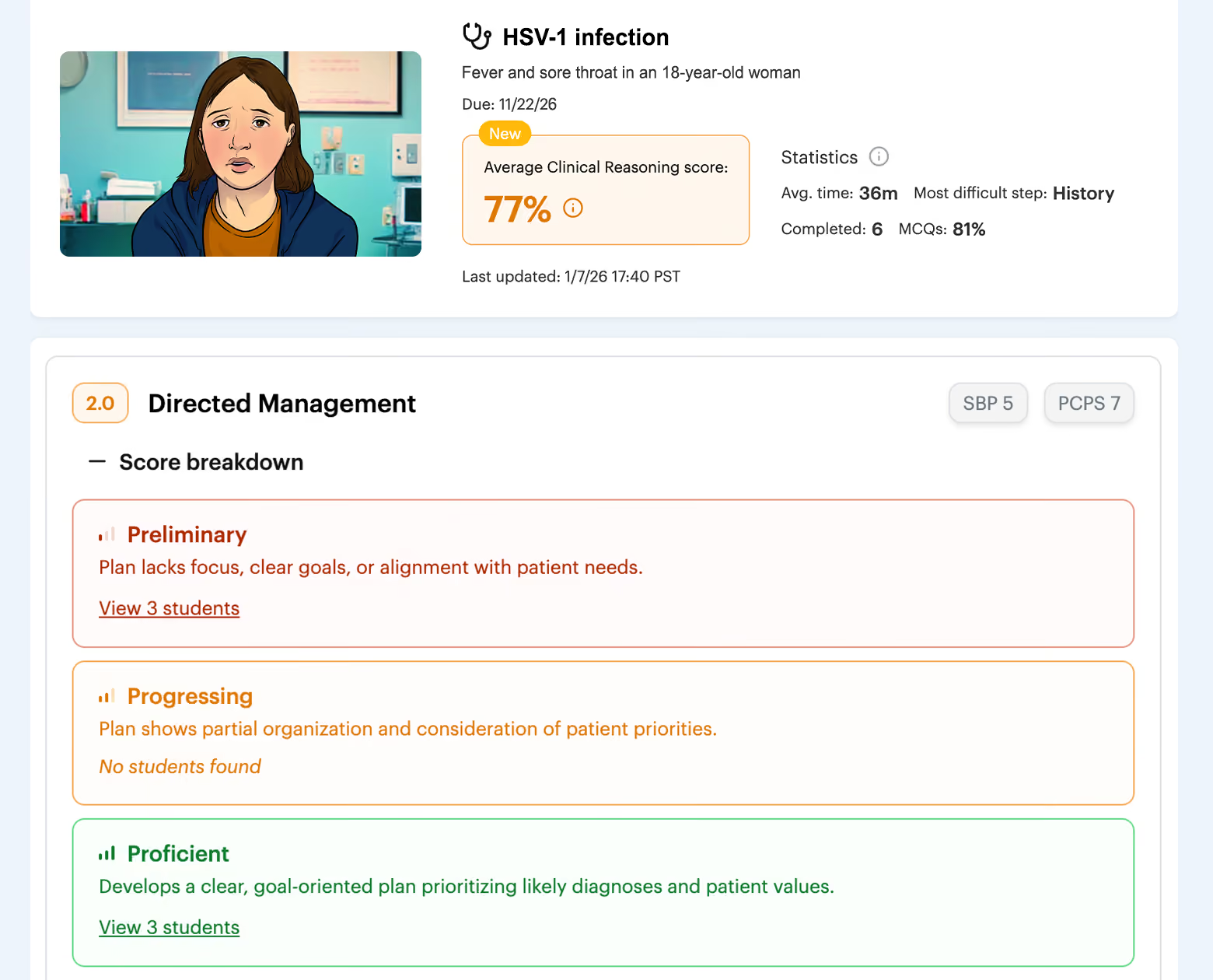
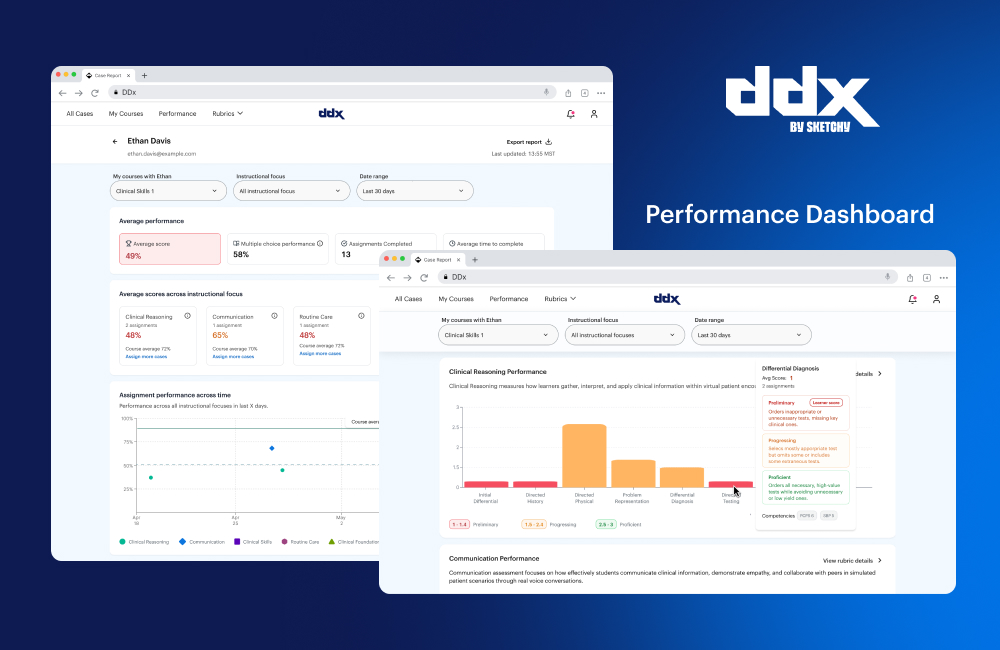
DDx empowers faculty with a standardized, low-friction assessment framework aligned to competency-based education guidelines.

  • Consistently measure clinical reasoning skills using our faculty-developed, rubric-based framework aligned to core competencies
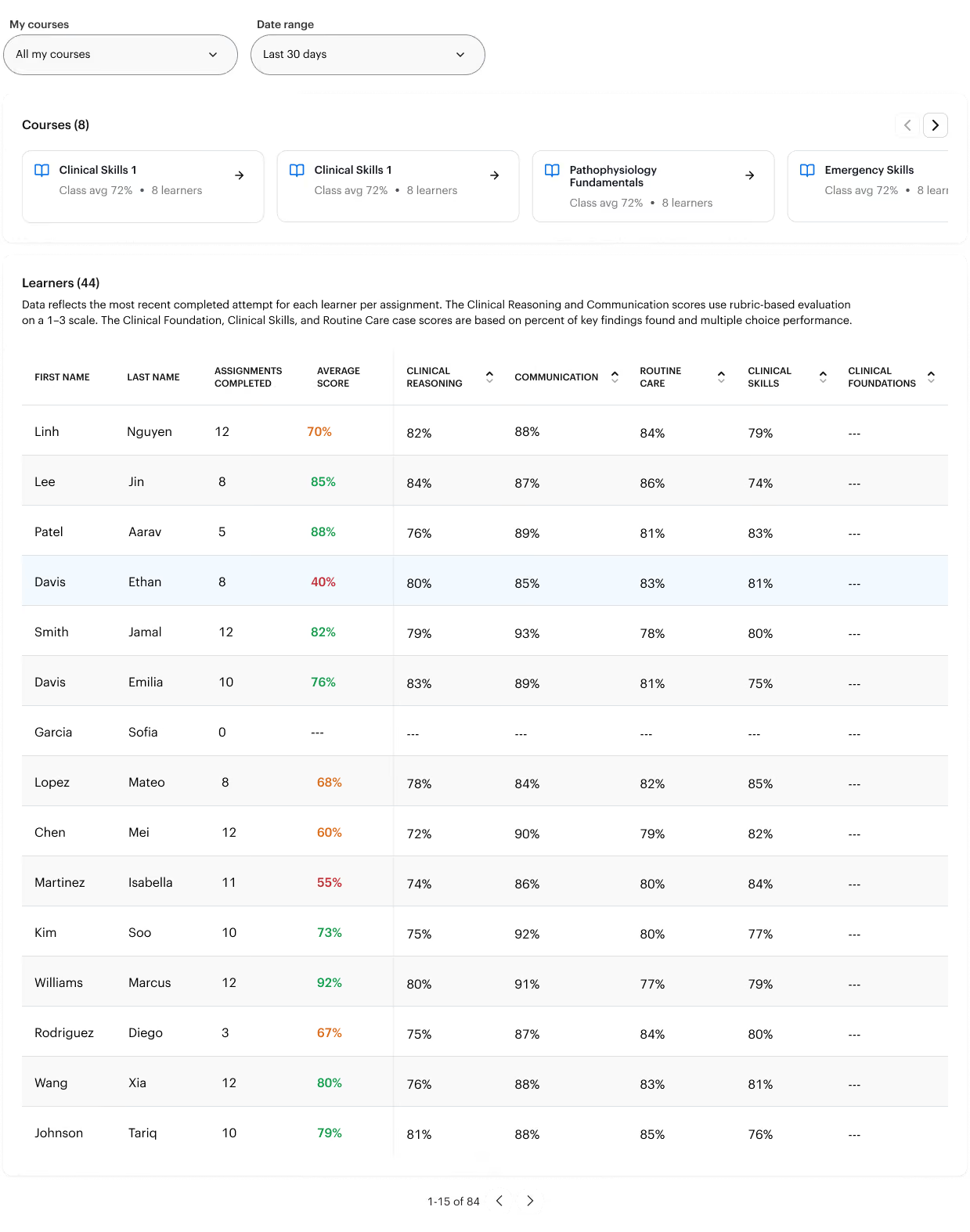
  • Track trends at the learner and cohort level to support progression and curriculum decisions
  • Generate actionable insights that support timely feedback and performance improvement

Early identification and remediation

Get clear, data-driven insight into who is struggling without increasing workload.

  • Easily detect performance gaps in documentation, test ordering, differential diagnosis, or management
  • Provide structured, competency-based feedback grounded to improve performance
  • Track performance longitudinally without workload for faculty or preceptors
Ready to experience how DDx can strengthen reasoning skills?
Start your free trial

Real impact for medical education

84%
of students report increased confidence after using DDx
80%
savings compared to SPs and OSCE-equivalent simulations
Countless faculty hours saved through automated case development, delivery and assessment
100%
unmatched insight into how NP students think, not just what they answer
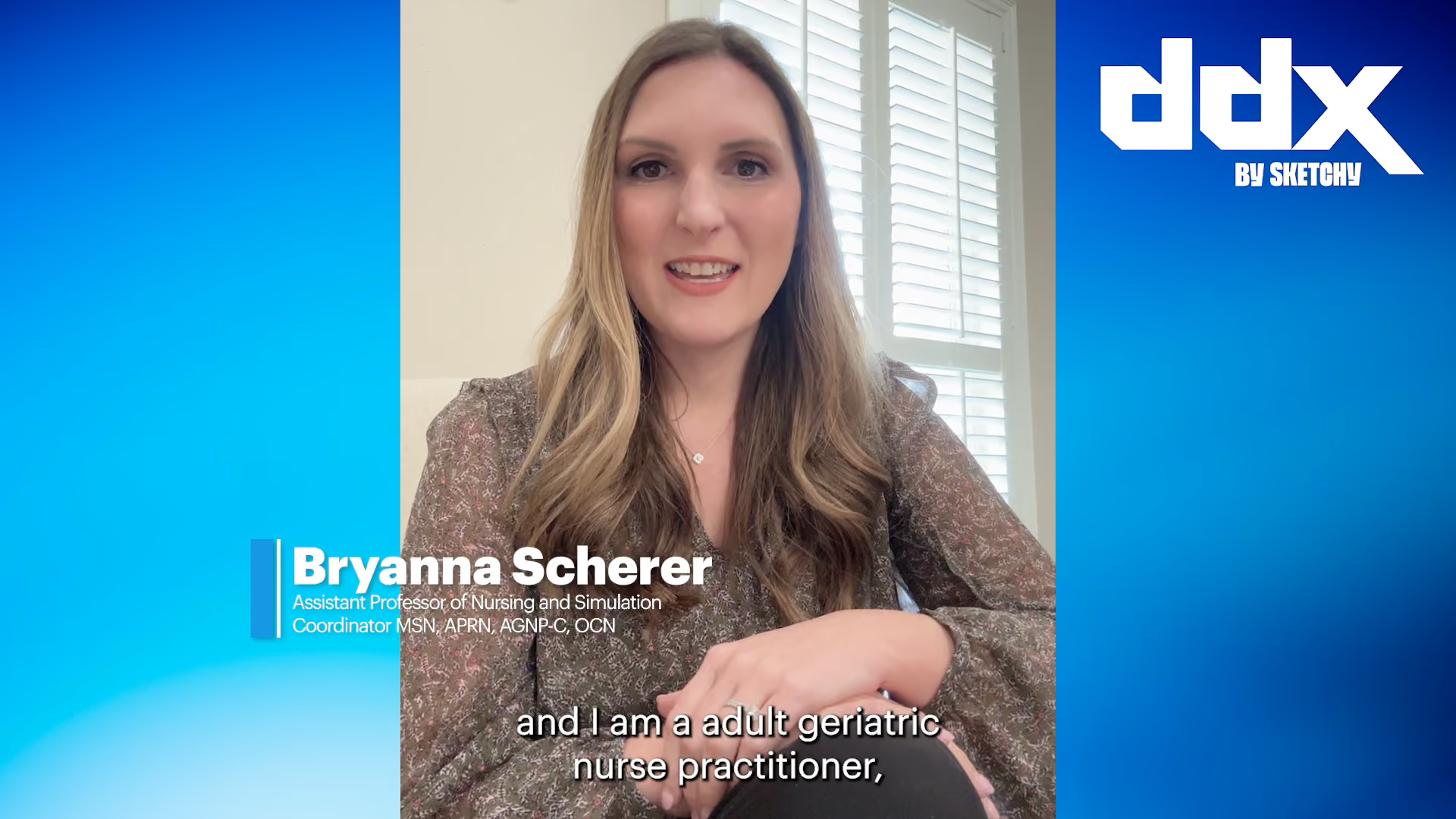
"Students have responded positively to the DDX case-based learning. DDX supports an engaging learning environment while bridging the gap between theory and real-life clinical decision making. From a faculty perspective, DDX has helped strengthen diagnostic thinking and collaboration and has been a great supplemental addition to my courses."
Glenna Kersten MSN, WHNP-BC
Clinical Instructor, University of Cincinnati

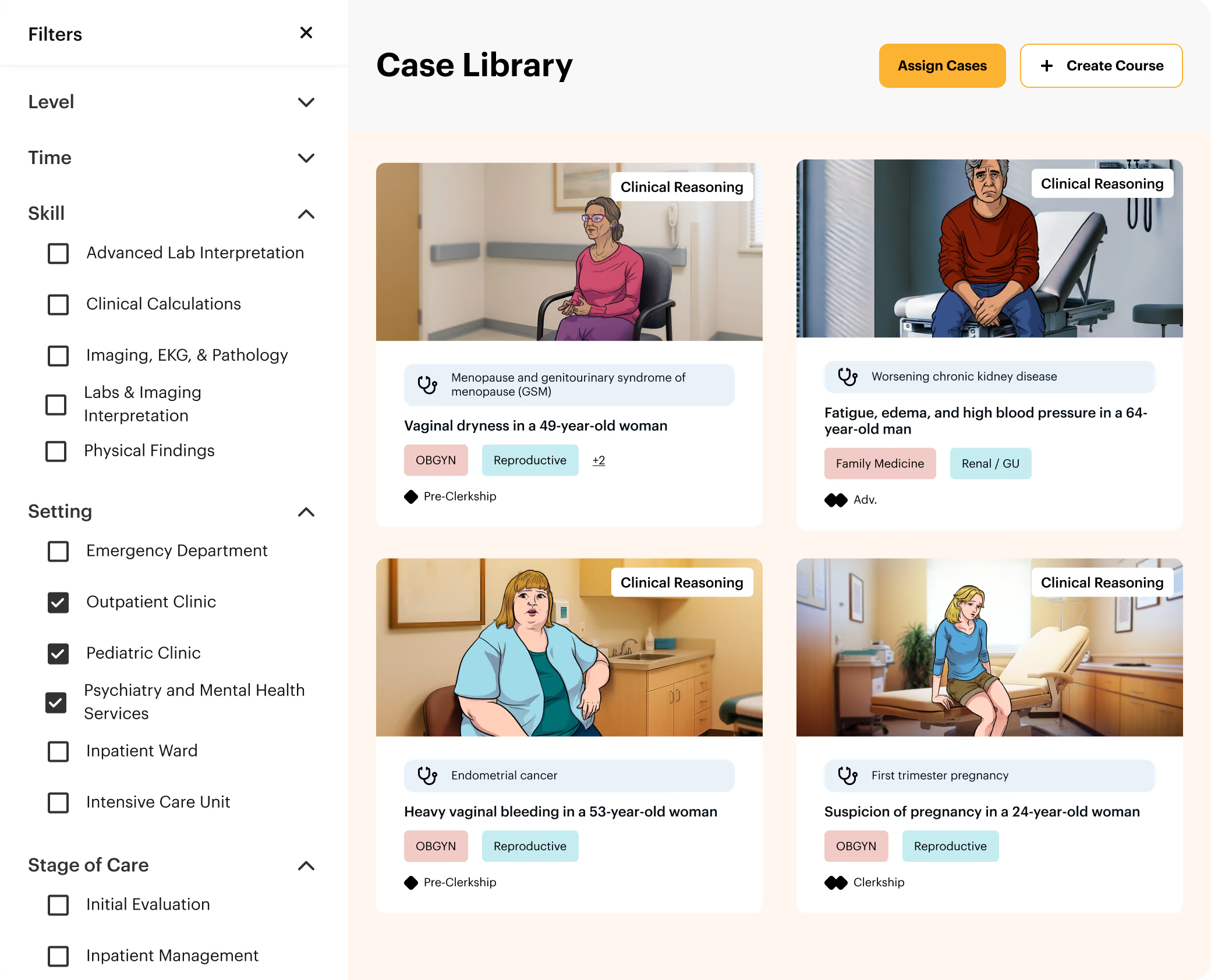
The right clinical content for your curriculum

Didactic
Clinical
Cardiovascular
Endocrinology
GI / Hepatobiliary
Infectious Disease
Nervous System / Psych
Pulmonology
Renal / GU
Reproductive
Rheum / MSK / Integumentary
List of cases
Sample application

Acute limb ischemia

Use this case after introducing common arrhythmias to help students practice working through a realistic palpitations presentation they are likely to encounter in primary care or urgent care. Students focus on gathering a targeted history, organizing a structured differential, recognizing atrial fibrillation on ECG, and determining appropriate initial evaluation and next-step management decisions, including when escalation or referral is warranted.
Sample application

Hyperthyroidism due to Graves' disease

Use this case in the endocrinology module to help students translate thyroid physiology into clinical reasoning. Students practice recognizing classic hyperthyroid symptom patterns, interpreting first-line thyroid labs, and distinguishing Graves’ disease from other causes of thyrotoxicosis — skills essential for safe, efficient evaluation in outpatient settings.
Sample application

Irritable bowel syndrome (IBS)

Assign this case to provide realistic outpatient practice for a presentation that often challenges learners. Students work through distinguishing functional GI disease from concerning pathology, identifying red flags that warrant further evaluation, and counseling patients effectively without unnecessary testing—reinforcing diagnostic restraint and patient-centered care.
Sample application

Sepsis

Use this case to reinforce early recognition of sepsis in a nonspecific presentation. Students practice prioritizing initial orders, recognizing time-sensitive deterioration, and escalating care appropriately—skills critical for front-line clinicians across settings.
Sample application

Major despressive disorder

Assign this case to help students practice diagnosing depression in a realistic outpatient context. Students focus on applying diagnostic criteria, assessing suicide risk, and planning longitudinal management, reinforcing the ongoing nature of mental health care in NP practice.
Sample application

Community-aquired pneumonia

Use this case to help students work through a common respiratory complaint with variable acuity. Students assess illness severity, decide between outpatient and inpatient management, and select empiric therapy based on patient-specific risk factors—mirroring real-world decision-making in primary and urgent care settings
Sample application

Nephrolithiasis

Assign this case during renal content to give students hands-on practice evaluating acute flank pain. Students focus on selecting appropriate imaging, managing pain safely, and recognizing complications that require escalation or referral, reinforcing judgment around when conservative management is appropriate.
Sample application

Menopause and GSM

Use this case to give students experience managing a common but frequently undertreated outpatient concern. Students practice counseling, shared decision-making, and individualized therapy selection, reinforcing longitudinal care skills central to NP practice.
Sample application

Giant cell arteritis/temporal arteritis

Introduce this high-yield case to emphasize the importance of acting on clinical suspicion. Students learn to recognize red-flag symptoms of a vision-threatening condition, prioritize prompt diagnos
Emergency Medicine
Family Medicine
OBGYN
Pediatrics
List of cases
Sample application

Acute coronary syndrome

Assign this case to help students develop confidence in evaluating high-risk chest pain. Students practice rapid triage, ECG interpretation, and determining when immediate escalation is required, reinforcing safety-first decision-making in urgent care and emergency settings.
Sample application

Hypertension

Use this case early in the clinical phase to prepare students for one of the most common encounters in primary care. Students practice confirming elevated blood pressure, considering secondary causes, selecting appropriate initial therapy, and counseling patients—building confidence in documentation and decision-making they will be expected to perform in clinic.
Sample application

First trimester pregnancy

Assign this case early in clinical training to prepare students for a highly common women’s health encounter. Students practice obtaining a private, sensitive history, confirming pregnancy, and counseling on next steps, reinforcing core habits they will use repeatedly in primary care, urgent care, and OB settings.
Sample application

Febrile neonate

Use this case to reinforce strict evaluation pathways for a high-risk pediatric presentation. Students learn to recognize when reassurance is unsafe, follow no-shortcut decision-making, and escalate care appropriately—addressing a common source of anxiety during pediatric rotations.

How NP programs are using DDx

DDx is designed for the realities of modern NP education — uneven learner preparation, limited faculty and preceptor bandwidth, and wide variability in clinical placements.

  • Integrating DDx as a core clinical reasoning platform across the curriculum and providing continuity across didactic and clinical practicum phases
  • Leveraging DDx cases for OSCE preparation, simulation alignment, and clinical check-offs
  • Replacing fragmented tools (case studies, OSCE prep resources, question banks) with a single, cohesive solution
  • Pairing DDx cases modularly within core didactic courses, especially Advanced Health Assessment
  • Tracking learner performance longitudinally to evaluate clinical reasoning development and readiness

Prepare every student for clinical practice

DDx equips NP programs with scalable, realistic, and safe clinical reasoning education — built by clinicians, trusted by institutions, and aligned with competency-based standards. Contact us to learn how DDx can support your curriculum, faculty, and learners.