No items found.
DDx for Physician Associate programs

Standardize clinical reasoning — without slowing your program down

PA education moves fast. Learners rotate quickly, shift specialties often, and are expected to contribute from day one. But clinical exposure and preceptor vary. And it’s hard to ensure every student develops the same core reasoning skills.

DDx helps PA programs build consistent, practical clinical reasoning across the curriculum, using AI-powered cases designed for how PAs actually practice.

Built by clinicians and educators, DDx gives PA programs a scalable, ARC-PA–aligned way to strengthen clinical decision-making, readiness, and confidence — without adding faculty workload.

Start your free trial

Case exposure that fits PA practice

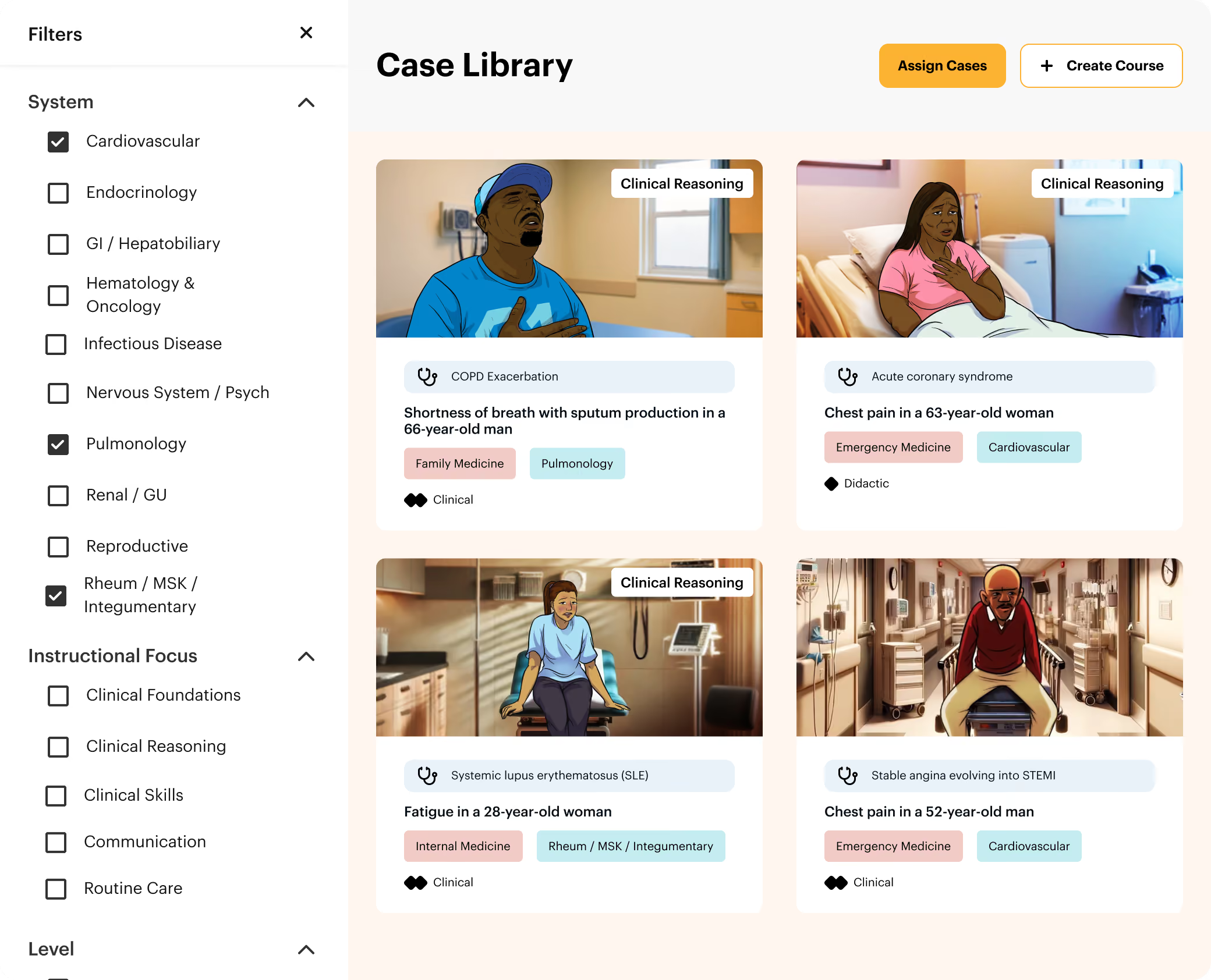
DDx provides the most comprehensive library of faculty-designed, end-to-end clinical encounters to ensure every PA student practices core conditions and transferable reasoning patterns, regardless of clinical site or specialty.

  • Support accelerated and compressed programs with flexible, self-paced practice and targeted exposure to cases learners may miss
  • Build skills quickly across specialties with progressively challenging cases that strengthen core reasoning patterns
  • Reinforce high-frequency conditions such as hypertension, type 2 diabetes, upper respiratory infections, musculoskeletal complaints, abdominal pain, and common rashes

Realistic clinical simulations — without SIM center dependency

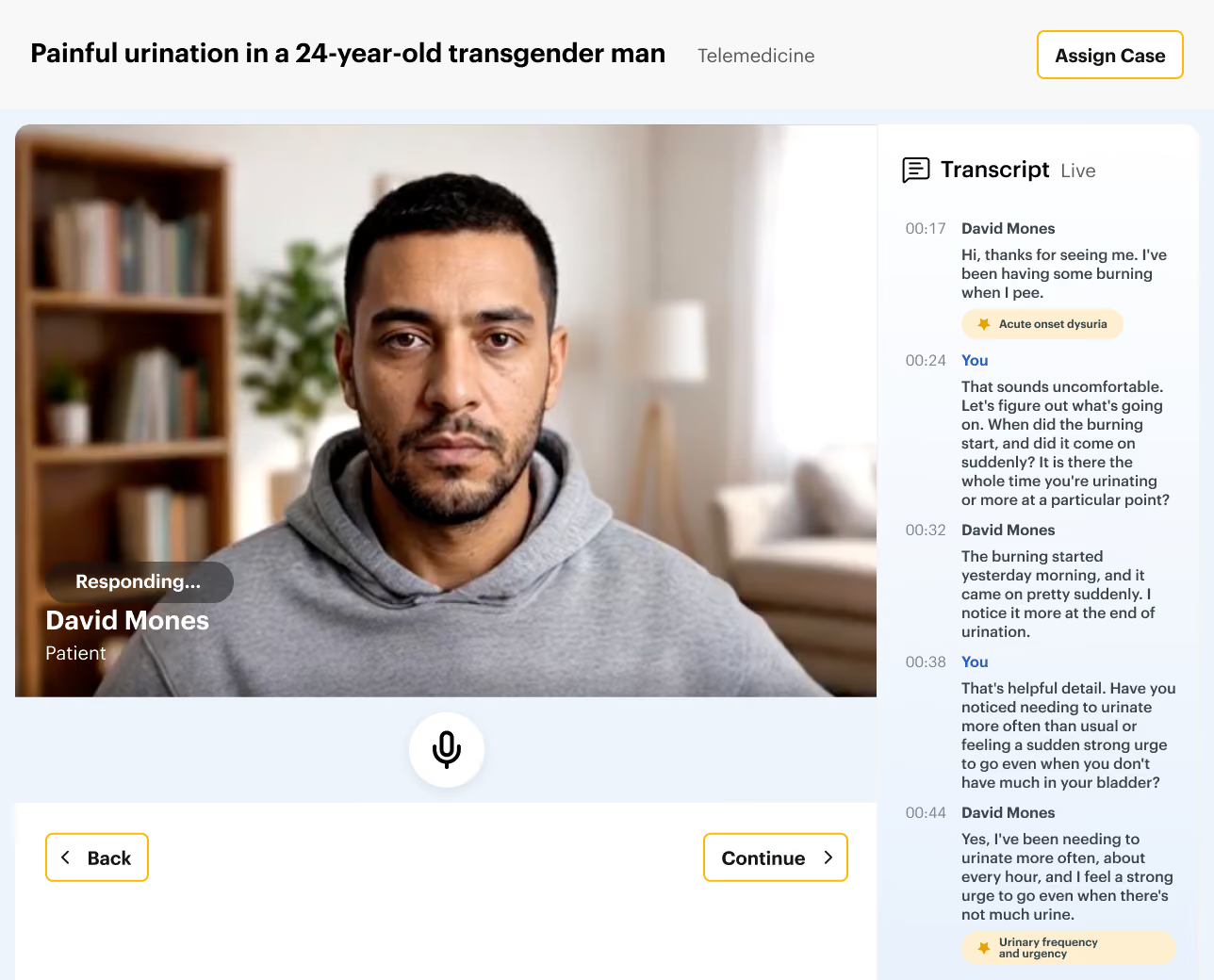
DDx simulates the decisions PAs make every day, from focused history to management and disposition — without the cost or logistics of standardized patients.

  • Practice end-to-end clinical encounters aligned to PA scope and workflow
  • Prepare for OSCEs, EORs, and real clinical responsibility
    Replace or supplement SP and SIM experiences when resources are limited

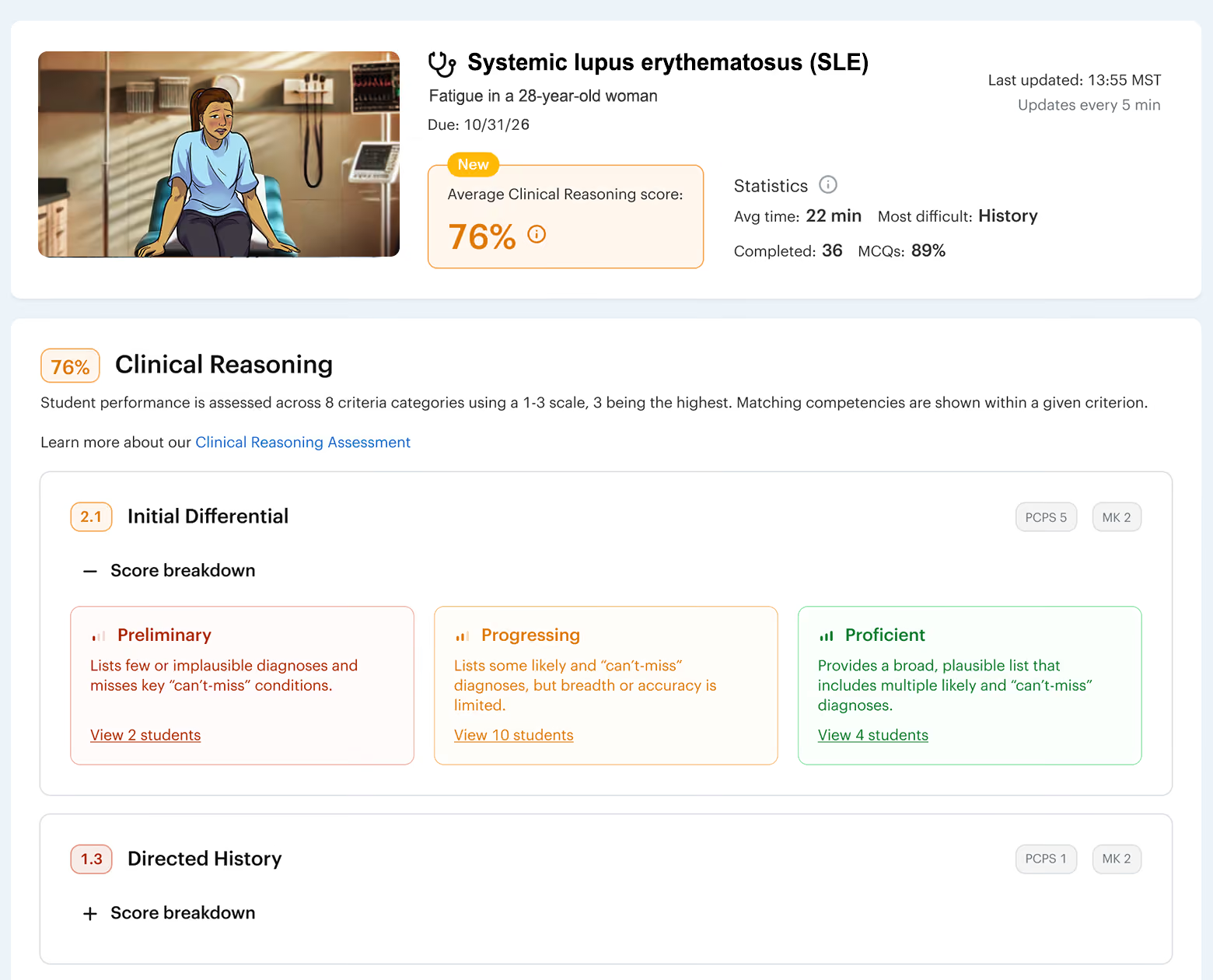
Validated, competency-based assessment

DDx evaluates clinical reasoning in a way that mirrors PA responsibilities — not just test performance.

  • Evaluate clinical reasoning and related competencies using our faculty-developed, rubric-based framework aligned to ARC-PA
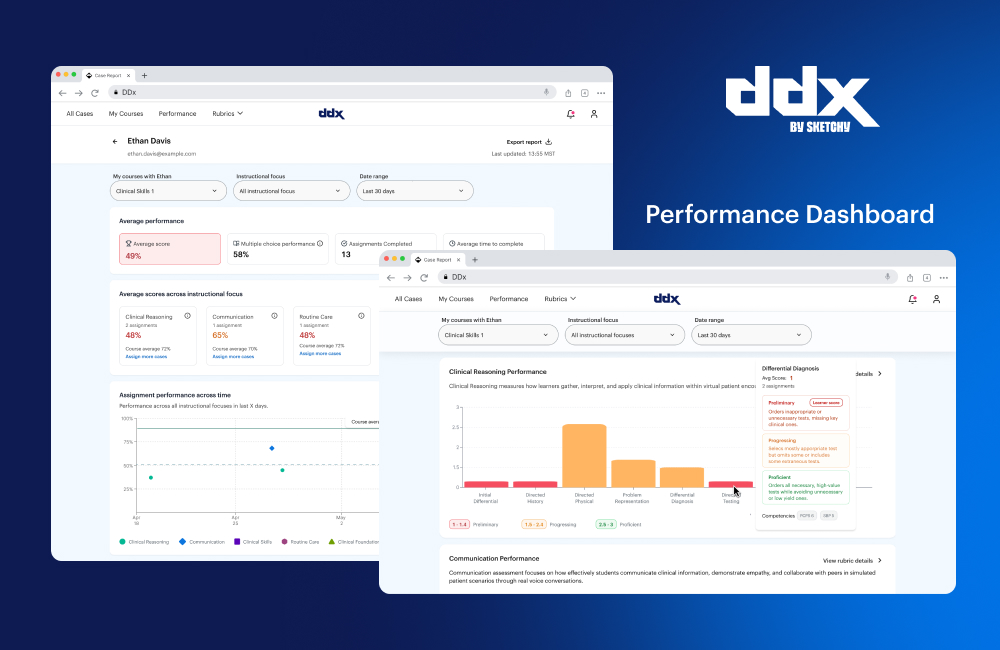
  • Track longitudinally across the didactic and clinical phases
  • Establish benchmarks to reduce variability across sites and preceptors

Faster identification and targeted remediation

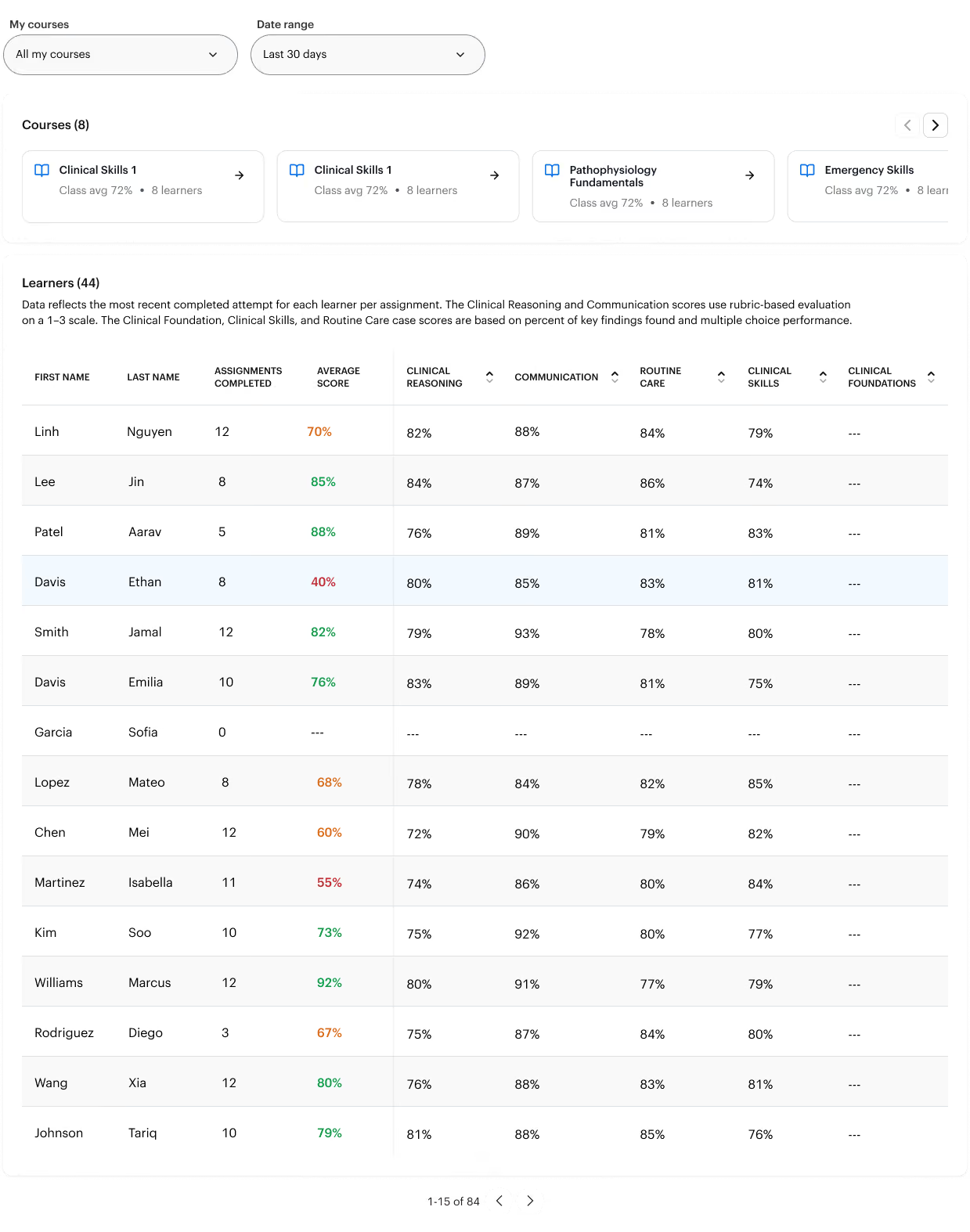
With limited time for individualized remediation, PA programs need tools that act quickly. DDx uses case-level analytics to:

  • Flag gaps in diagnostic reasoning, test selection, or management
  • Provide structured, competency-based feedback and targeted, case-based remediation that directly addresses specific reasoning issues.
  • Track improvement over time without increasing faculty workload
Ready to experience how DDx can strengthen reasoning skills?
Start your free trial

Real impact for PA education

87%
87% of students report increased confidence after using DDx
80%
savings compared to SPs and OSCE-equivalent simulations
Countless faculty hours saved through automated case development, delivery and assessment
100%
unmatched insight into how NP students think, not just what they answer

The right clinical content for your curriculum

Didactic
Clinical
Cardiovascular
Endocrinology
GI / Hepatobiliary
Hematology & Oncology
Infectious Disease
Nervous System / Psych
Pulmonology
Renal / GU
Reproductive
Rheum / MSK / Integumentary
List of cases
Sample application

Acute limb ischemia

Introduce this acute limb ischemia case during the cardiovascular block to reinforce vascular anatomy and arterial occlusion pathophysiology. Students learn to identify the “6 Ps,” recognize time-sensitive ischemia, initiate appropriate diagnostic steps, and promptly escalate care to vascular surgery.
Sample application

Hyperthyroidism due to Graves' disease

Use this case in the endocrinology module to help students connect thyroid physiology to clinical patterns. They’ll learn to recognize hallmark features of hyperthyroidism, interpret thyroid labs, and differentiate Graves’ disease from other causes before entering the clinic.
Sample application

Pancreatitis

 Use this case in problem-based learning to give students a realistic, symptom-driven presentation that requires hypothesis generation and iterative refinement of a differential diagnosis. Students practice deciding which labs and imaging are appropriate, defending their reasoning, and connecting clinical findings back to foundational GI physiology.
Sample application

Colon cancer (adenocarcinoma)

Use this case as pre-work for a small-group session on GI pathology and social determinants of health, where students analyze how anatomic location and molecular progression influence symptoms, while also discussing how factors such as access to screening, diet, and family history contribute to risk and delayed diagnosis.
Sample application

Croup

Use this case prior to teaching paramyxoviruses to provide a clear clinical anchor. Students distinguish croup from epiglottitis, foreign body aspiration, and bacterial tracheitis, focusing on airway assessment, initial management, and when to escalate care urgently.
Sample application

Dementia with Lewy bodies

Utilize this case to reinforce the pathophysiology and clinical features of common dementias. Students learn to differentiate normal aging from neurodegenerative disease and identify red flags.
Sample application

Croup

Assign this case during the respiratory block to help pre-clerkship students practice assessing pediatric respiratory distress. Students focus on recognizing key physical exam findings (retractions, wheezing, stridor), distinguishing mild from moderate illness, and determining appropriate initial management and escalation.
Sample application

AKI

Use this case during the renal block to help students differentiate glomerular vs nonglomerular sources of hematuria and recognize presentations concerning for malignancy. Students practice selecting appropriate initial labs and imaging, identifying red flags, and determining when urgent urology referral is required.
Sample application

Pregnancy

Assign this case before lectures on early pregnancy. Students practice obtaining a private sexual and gynecologic history, reflexively ordering pregnancy testing, and recognizing normal versus concerning early pregnancy symptoms.
Sample application

Giant cell arteritis/temporal arteritis

Introduce this high-yield case immediately after teaching granulomatous inflammation. Students connect multinucleated giant cells on histology to real clinical consequences, recognize red-flag symptoms of giant cell arteritis, and learn which findings require immediate empiric treatment.
Emergency Medicine
Internal Medicine
Family Medicine
Neurology
OBGYN
Pediatrics
Psychiatry
Surgery
List of cases
Sample application

Pericardial tamponade

Incorporate this pericardial tamponade simulation into an emergency medicine workshop. Students use bedside ultrasound to recognize right-sided chamber collapse and tamponade physiology, then walk through indications, preparation, risks, and team roles for emergent pericardiocentesis.
Sample application

Variceal upper GI hemorrhage

Use this case after a student struggles to differentiate GI bleeds. Students learn to recognize cirrhosis clues early, prioritize variceal bleeding, and initiate critical first steps—large-bore IV access, fluids, octreotide, antibiotics, and PPI—while coordinating urgent GI consultation.
Sample application

STI: gonorrhea and chlamydia

Assign this case before students begin family medicine rotations to prepare them for a common outpatient presentation. Students practice focused sexual history-taking, distinguishing STI from UTI, selecting appropriate testing, initiating empiric treatment, and counseling on follow-up and prevention.
Sample application

Multiple sclerosis

Use this multiple sclerosis flare simulation during the neurology clerkship. Students localize lesions based on neurologic deficits, interpret MRI and lumbar puncture findings, initiate acute management, and coordinate care with neurology, physical therapy, and ophthalmology.
Sample application

Preeclampsia with severe features

Use this advanced clerkship case after a busy L&D shift to solidify diagnostic criteria for gestational hypertension versus preeclampsia with severe features. Students practice interpreting labs, recognizing when delivery is indicated, and clearly documenting and communicating findings to supervising clinicians.
Sample application

Pyloric stenosis

Assign this case during the pediatrics clerkship to reinforce multidisciplinary management. Students recognize dehydration and metabolic alkalosis in the ED, initiate stabilization, and coordinate care with surgery, anesthesia, and nursing in preparation for pyloromyotomy.
Sample application

Persistent depressive disorder

After a clinical encounter where a student prematurely labels symptoms as major depressive disorder, use this case to teach diagnostic accuracy. Students learn to distinguish persistent depressive disorder from MDD by focusing on duration, functional impairment, and longitudinal course rather than symptom count alone.
Sample application

Appendicitis

Assign this appendicitis case as pre-work before a student scrubs into surgery. Students practice forming a differential for acute abdominal pain, interpreting ultrasound or CT findings, initiating pre-operative management (NPO status, labs, antibiotics), and coordinating timely surgical consultation.

How PA programs are using DDx

DDx is designed for the realities of PA education — compressed timelines, rapid specialty transitions, limited faculty bandwidth, and wide variability in clinical sites and preceptors.

  • Deploying DDx as a shared clinical reasoning platform across the curriculum, creating continuity from the didactic phase through clinical rotations
  • Using DDx cases for OSCE preparation, simulation support, and clinical readiness checkpoints, especially when standardized patient or SIM resources are limited
  • Embedding short, modular DDx cases within core didactic courses, particularly Health Assessment, Clinical Medicine, and systems-based instruction
  • Tracking learner performance longitudinally to monitor clinical reasoning development, rotation readiness, and progression across specialties

Prepare every student for clinical practice

DDx equips PA programs with scalable, realistic, clinical reasoning education — built by physicians, trusted by institutions, and aligned with PA workflows. Contact us to learn more.