 WebinarsFrom early identification to intentional support: A structured approach to supporting struggling residents
From early identification to intentional support: A structured approach to supporting struggling residents
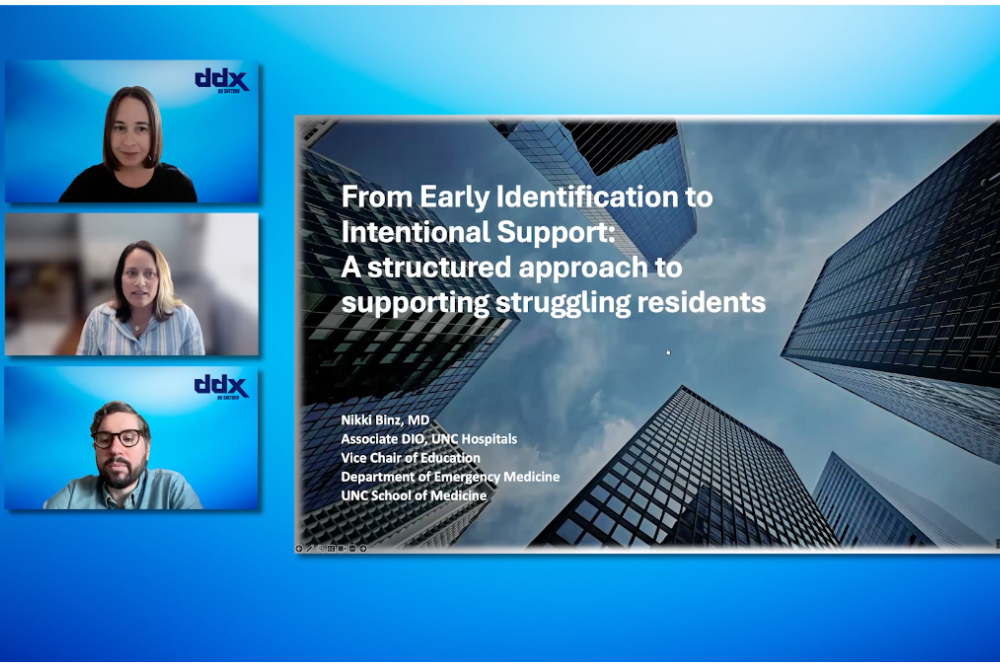
Learn how residency programs can identify struggling residents earlier and implement structured, competency-based approaches to support their development over time. Drawing on Dr. Nikki Binz’s experience as a residency program director and her recognition as an ACGME award-winning educator, this session offers practical strategies for navigating high-stakes remediation decisions with consistency, even when time and resources are limited.
Originally aired:
May 11, 2026
12:00 PM ET | 9:00 AM PT
60 minutes
.png)
Webinar overview
Every residency program encounters residents who struggle in fast-paced, high-stakes clinical environments where time is limited and decisions carry real consequences. Performance gaps can occur anywhere: in clinical reasoning, in communication, and across core competencies. It is a real challenge for educators to identify struggling learners early, understand the underlying drivers, and respond consistently.
In this practical, case-based session, Nikki Binz, MD, Associate Designated Institutional Officer for UNC Hospitals Office of Graduate Medical Education and former Emergency Medicine Residency Program Director for 10 years, will draw on her experience leading remediation efforts in residency training. Dr. Binz is a nationally recognized leader in graduate medical education and recipient of the ACGME Parker J. Palmer “Courage to Teach” Award.
The discussion will also outline how structured remediation processes, from early improvement efforts to more formal actions, can be implemented consistently while allowing flexibility for each resident’s needs.
Designed for program directors, coordinators, and GME leaders, this session offers a structured approach to supporting residents earlier and more consistently across training.

What you'll learn

Identify and define early performance concerns across clinical reasoning, ACGME competencies, and communication skills using competency-based frameworks
Design individualized learning or remediation plans that translate feedback into targeted skill development
Apply structured, longitudinal approaches to guide remediation decisions and support resident development and over time
Webinar recording
Meet your expert speakers

Dr. Nikki Binz is an Associate Professor of Emergency Medicine at the UNC School of Medicine and serves as Associate Designated Institutional Officer for UNC Hospitals Office of Graduate Medical Education, where she focuses on faculty development. She is also Vice Chair for Education and Academic Affairs and previously served as Emergency Medicine Residency Program Director from 2015–2025. Dr. Binz has extensive experience leading resident remediation and supporting learner development across training. She is a recipient of the 2026 ACGME Parker J. Palmer “Courage to Teach” Award, recognizing excellence and innovation in residency education. She also holds a UNC Medical Alumni Distinguished Teaching Professorship for her sustained leadership in medical education.
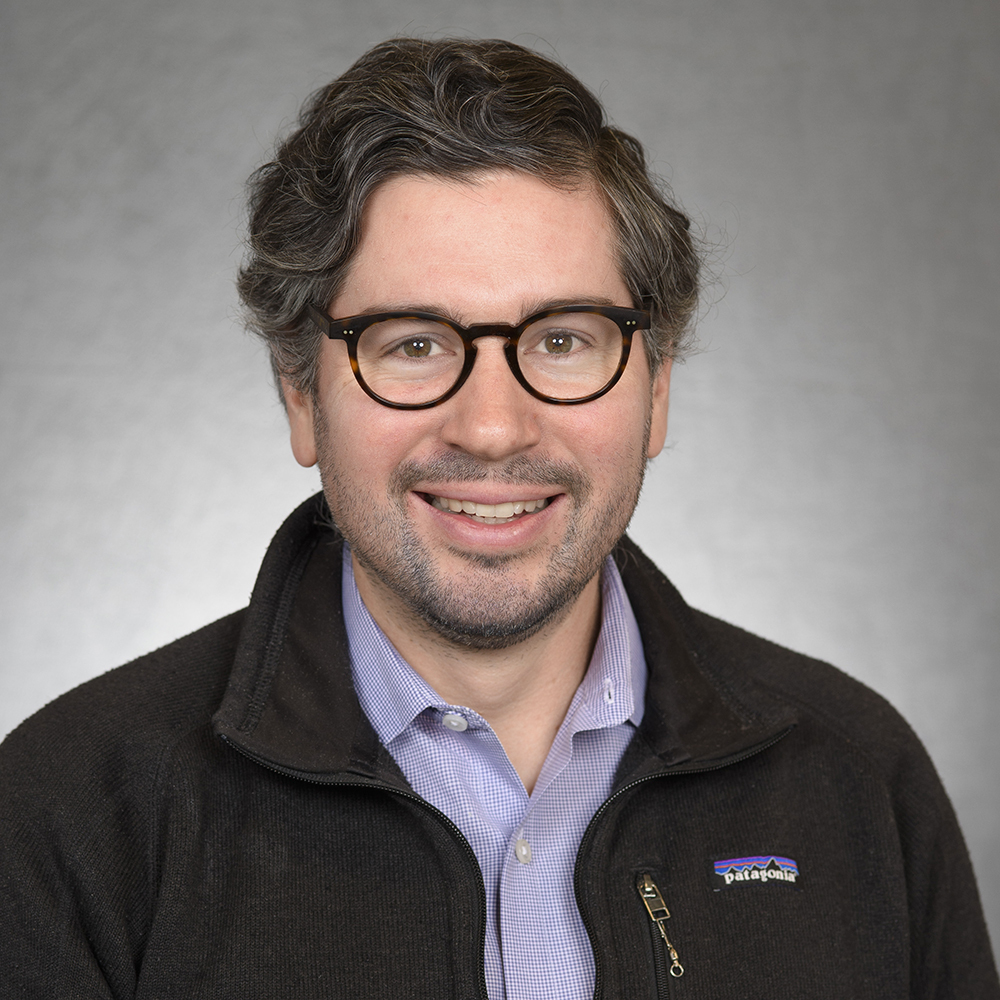
Ben Muller, MD is the Chief Content Officer at Sketchy, overseeing content development across Sketchy's core learning platform and DDx by Sketchy. A Columbia-trained physician, Ben has spent over six years translating complex medical concepts into engaging, evidence-informed learning experiences — leading a multidisciplinary team of physicians, educators, and creatives dedicated to making medical education built for modern clinical practice.